

Road Safety Audit (RSA)
Our team offers comprehensive road safety audit services, ensuring road projects meet the highest safety standards. As an accredited Lead Road Safety Auditor (Level 3), we provide assessments across all project phases, including pre-construction, construction, and post-construction. Our audits adhere to industry best practices and relevant Austroads guidelines to identify potential safety risks and ensure appropriate countermeasures are implemented.
Our experience includes various infrastructure types such as intersections, pedestrian crossings, cycle paths, and major road upgrades. We analyse road layouts, signage, visibility, and conflict points to identify potential hazards before they escalate into incidents. The audit allows us to provide practical recommendations that enhance safety outcomes for all road users.
We also specialise in auditing projects with complex traffic conditions, high pedestrian volumes, and challenging geometries. Our expertise ensures that proposed designs align with Safe System principles, emphasising reduced crash risk and improved road user behaviours.

Transport Impact Assessment (TIA)
A Transport Impact Assessment (TIA) is a comprehensive study that evaluates the potential effects of a proposed development on the surrounding transport network. At BT Traffic, we conduct detailed analyses of traffic operations, parking demand, road safety, intersection performance, and pedestrian and cyclist movements to ensure developments are designed in accordance with local and national transport planning guidelines. Our assessments provide practical recommendations to support efficient and sustainable access solutions.
Our team uses traffic modelling tools such as SIDRA Intersection to accurately predict future traffic conditions and assess network performance. Each TIA we prepare is tailored to the scale and complexity of the project, ensuring compliance with regulatory requirements while minimising potential transport impacts. We work closely with developers, planners, and government authorities to achieve balanced outcomes.

Transport Impact Statement (TIS)
A Transport Impact Statement (TIS) provides a concise assessment of the transport and traffic implications of smaller developments where a full TIA may not be required. At BT Traffic, we prepare clear, evidence-based TIS reports that identify access arrangements, parking provisions, pedestrian and cyclist connectivity, and expected traffic generation in accordance with local authority standards.
Our TIS services are designed to simplify the approval process by addressing transport-related matters early in the planning phase. We focus on identifying potential issues before they arise, ensuring efficient design integration and compliance with relevant policies. Whether for residential, commercial, or mixed-use developments, our reports help clients present well-supported, professional documentation that satisfies council and stakeholder expectations.

Car Park Certification
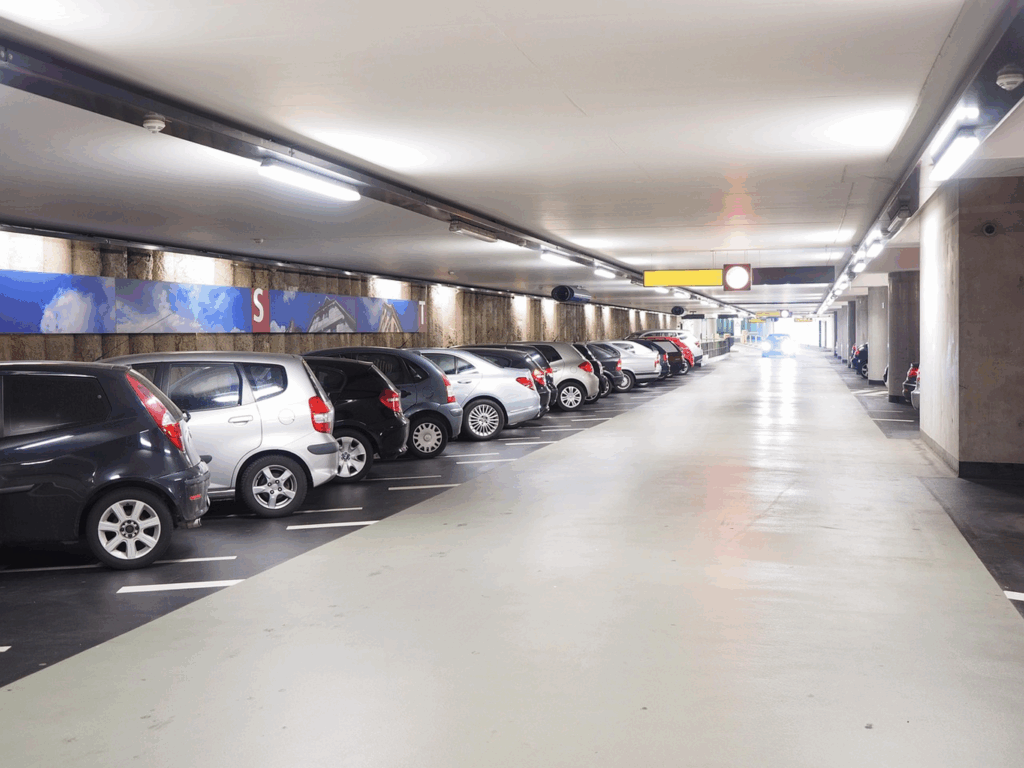
A Car Park Certification verifies that a car park has been designed and constructed in accordance with relevant standards, including AS 2890 series and local authority guidelines. At BT Traffic, we offer independent assessments and certifications for both new and upgraded parking facilities. Our review process covers key design elements such as layout geometry, aisle width, sight distance, accessibility, and signage to ensure user safety and operational efficiency.
With extensive experience in car park design and auditing, our team provides clear, actionable feedback to assist developers and builders in achieving compliance. We issue professional certification reports that satisfy council and building approval requirements, giving our clients confidence that their parking facilities meet all functional and regulatory expectations.
Safe System Assessment (SSA)
A Safe System Assessment is a structured evaluation conducted by an independent, qualified specialist team to examine the safety implications of a road-related program, project, or initiative. Our assessments are conducted in alignment with the Austroads Safe System Assessment Framework, ensuring a comprehensive review of all four Safe System components: road and roadside design, vehicle safety, road user behaviour, and speed management. This detailed investigation offers a holistic understanding of a project’s alignment with Safe System principles and its overall safety performance.
Our Safe System Assessment services include:
• Evaluation of existing roads, intersections, or road segments
• Assessment of road investment projects at various stages such as feasibility, design, or pre-opening
• Review of community road safety programs or funding proposals
• Detailed reporting with actionable recommendations to improve safety outcomes

Traffic Management Plan (TMP)
A Traffic Management Plan is a comprehensive document that outlines how traffic and pedestrian safety will be managed during roadworks or related activities. It includes critical details such as risk assessments, traffic demand and routing, and provisions for vulnerable road users and special vehicle access. TMPs ensure that worksites maintain safety and efficiency without disrupting the road network.
You are required to have a TMP whenever your works impact public roads, footpaths, or when workers or pedestrians need to be safely separated from vehicle movements. It is also a key document for securing permits from local councils, which will only approve traffic control measures that meet strict regulatory standards.
The TMP preparation process is largely handled by traffic professionals. You simply need to provide project details, and the team will assess traffic conditions, site-specific factors, and local requirements. Using the latest planning tools, they then design a site-specific TMP that meets all legal, safety, and professional standards.
Traffic Guidance Scheme (TGS)
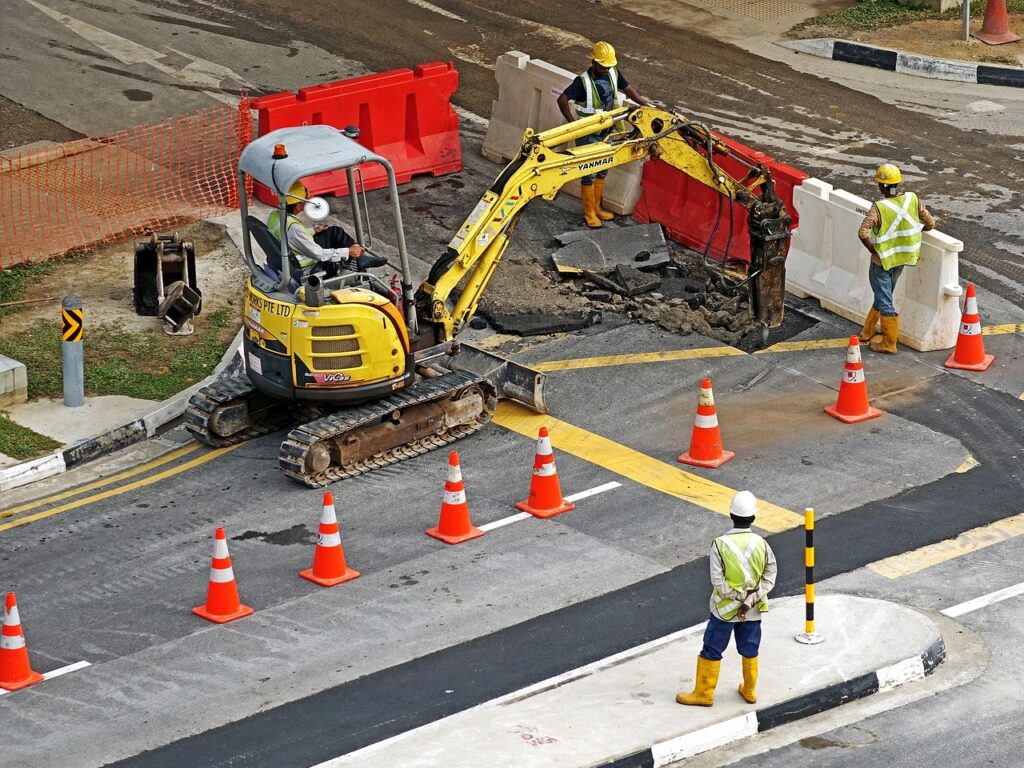
A Traffic Guidance Scheme is a site-specific diagram that shows the layout of temporary traffic control devices used to safely guide vehicles and pedestrians around or through a worksite. It includes the location and spacing of signs, barriers, fencing, and roadwork speed limits to ensure a safe and clear path is maintained.
You will need a TGS for any work that interferes with road or footpath access or puts people near moving traffic. It is also necessary for obtaining local council approvals. Only schemes that comply with council traffic control standards will be accepted—insufficient TGS documentation can lead to permit rejection.
The TGS development process begins with a discussion of the project requirements. Specialists will then assess traffic volumes, local site conditions, and regulatory constraints before designing a tailored scheme. The final TGS is drafted using modern software to ensure full compliance with all relevant standards.
Construction Traffic Management Plan (CTMP)
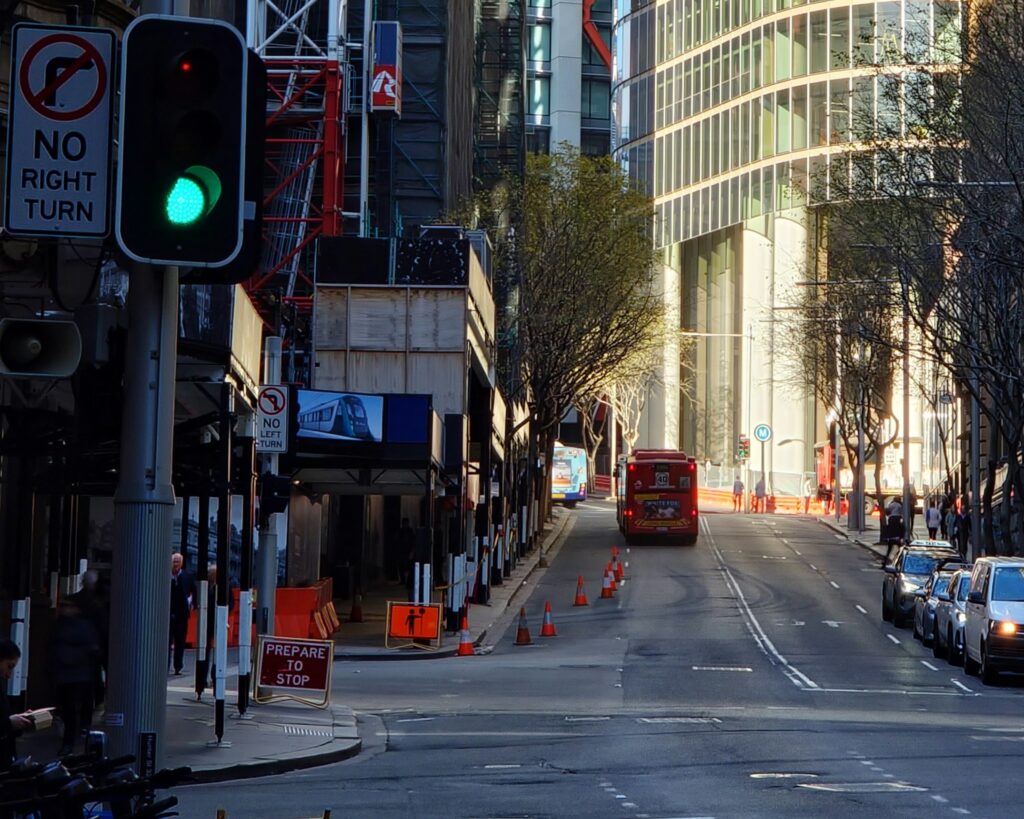
A Construction Traffic Management Plan is required for development projects and must be submitted with your Development Application (DA) or to obtain a Construction Certificate. The CTMP details how construction-related traffic, pedestrian access, and public safety will be managed throughout the building phase, in line with council and site-specific requirements.
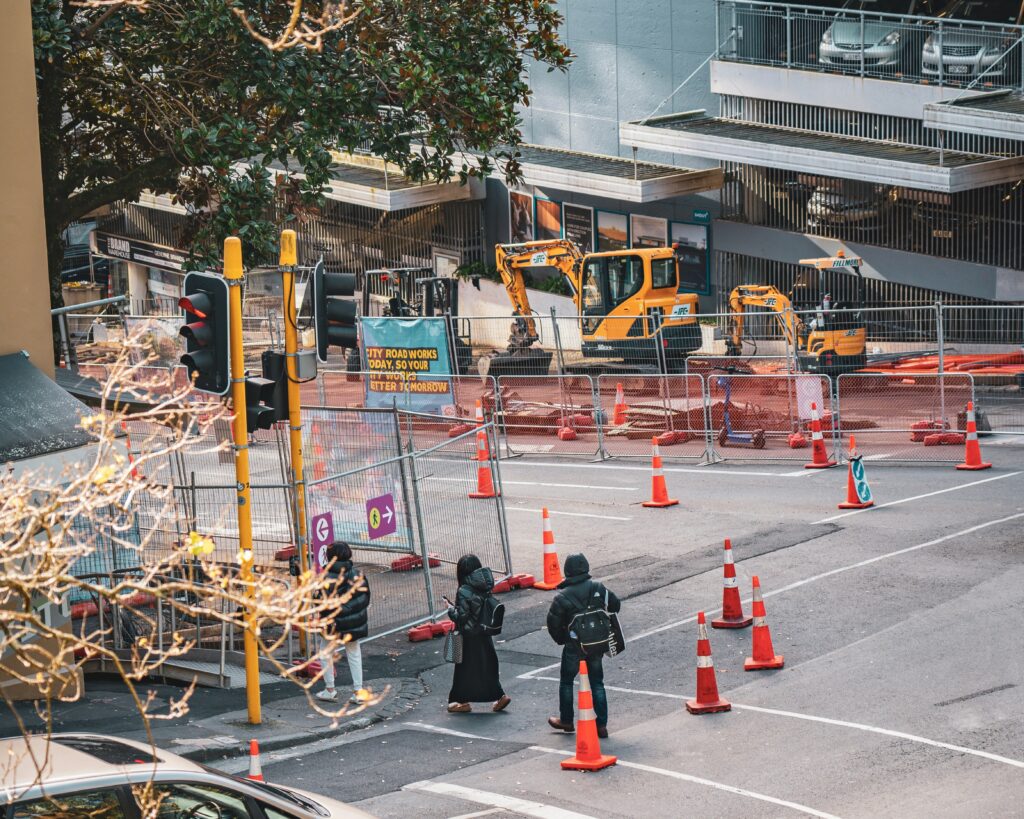
CTMPs include several components, such as Traffic Management Plans, Traffic Guidance Schemes, staging of works, truck routes, and emergency access provisions. They also include communication plans to inform the public through letter drops, VMS boards, or local media notifications.
The preparation of a CTMP involves gathering information about the construction project, expected traffic impacts, council DA consent conditions, and surrounding road and site conditions. With this data, traffic management professionals design a compliant CTMP tailored to the site, ensuring safe and efficient movement for all road users during construction.
behrouz.tavassoli@bttraffic.com.au
0449 239 847